Your business is already being seen in photographs: on your website, in proposals, across social channels and in the materials your team shares with customers. The question is whether those images work together to show what you do, how you do it and why it matters.
Professional commercial photography is not simply about making a business look polished. It’s a planned way to create accurate, consistent images that support real business needs. Instead of commissioning one picture for one page, you build a useful library for the places customers meet your business.
Build a library, not a one-off collection
A commercial shoot starts with the business and its audience. What should people understand when they see the images? What might they want to check before they enquire, buy, visit or invite you to tender?
The answers shape the shot list. Depending on your business, it may include:
- Products and details: overall views, key features, materials, finishes, scale and close-up details.
- Premises and facilities: the spaces, equipment and environment behind your service.
- People and teams: portraits and working interactions that put real faces to your organisation.
- Process and behind the scenes: the steps, skills and care involved in making or delivering your work.
- Campaign images: flexible photographs planned for a particular launch, theme or message.
Each image should have a purpose. A product photograph might clarify a finish. A team image could help a potential client understand who they’ll work with. A process photograph may make a complex service easier to picture.
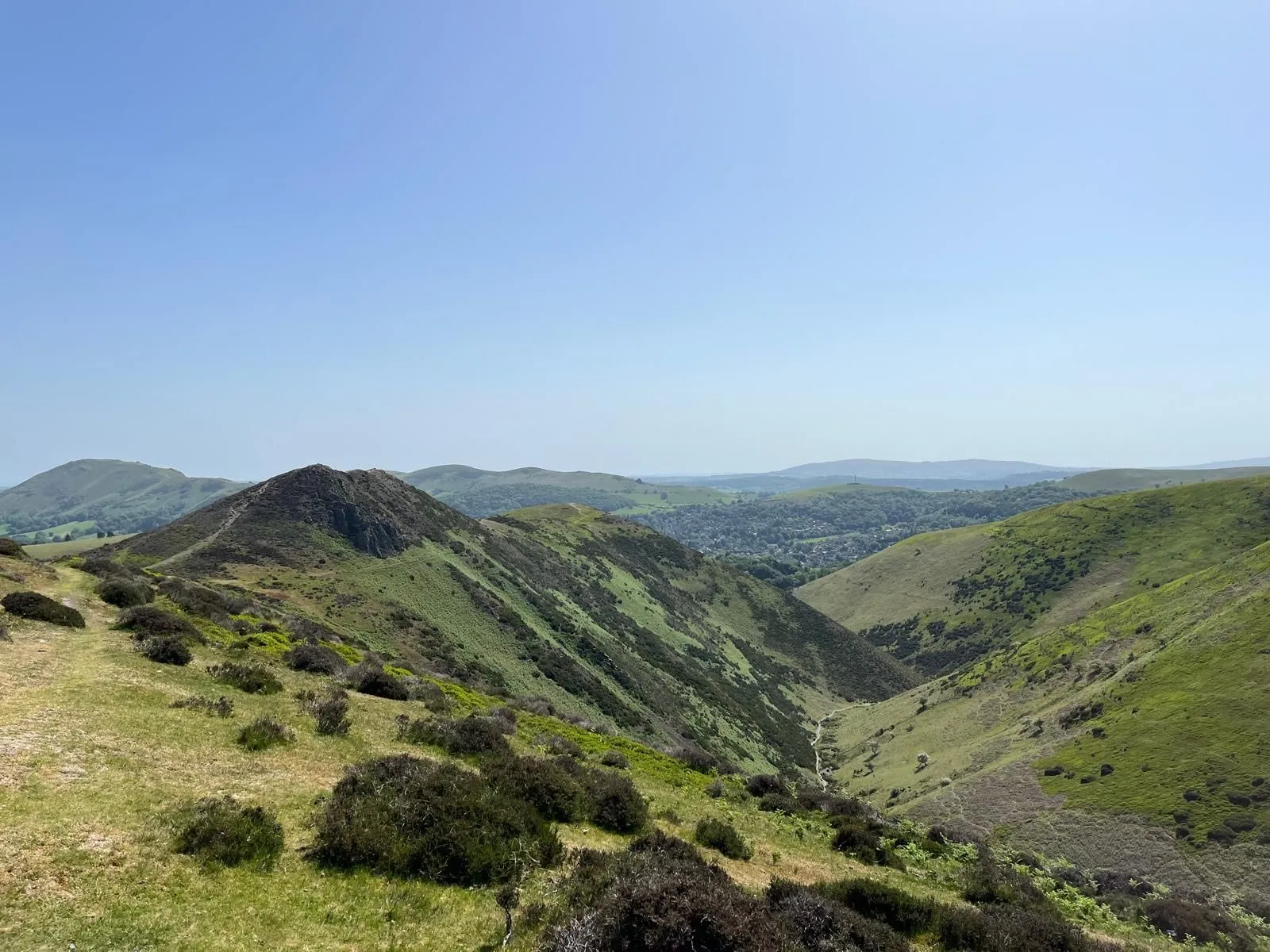
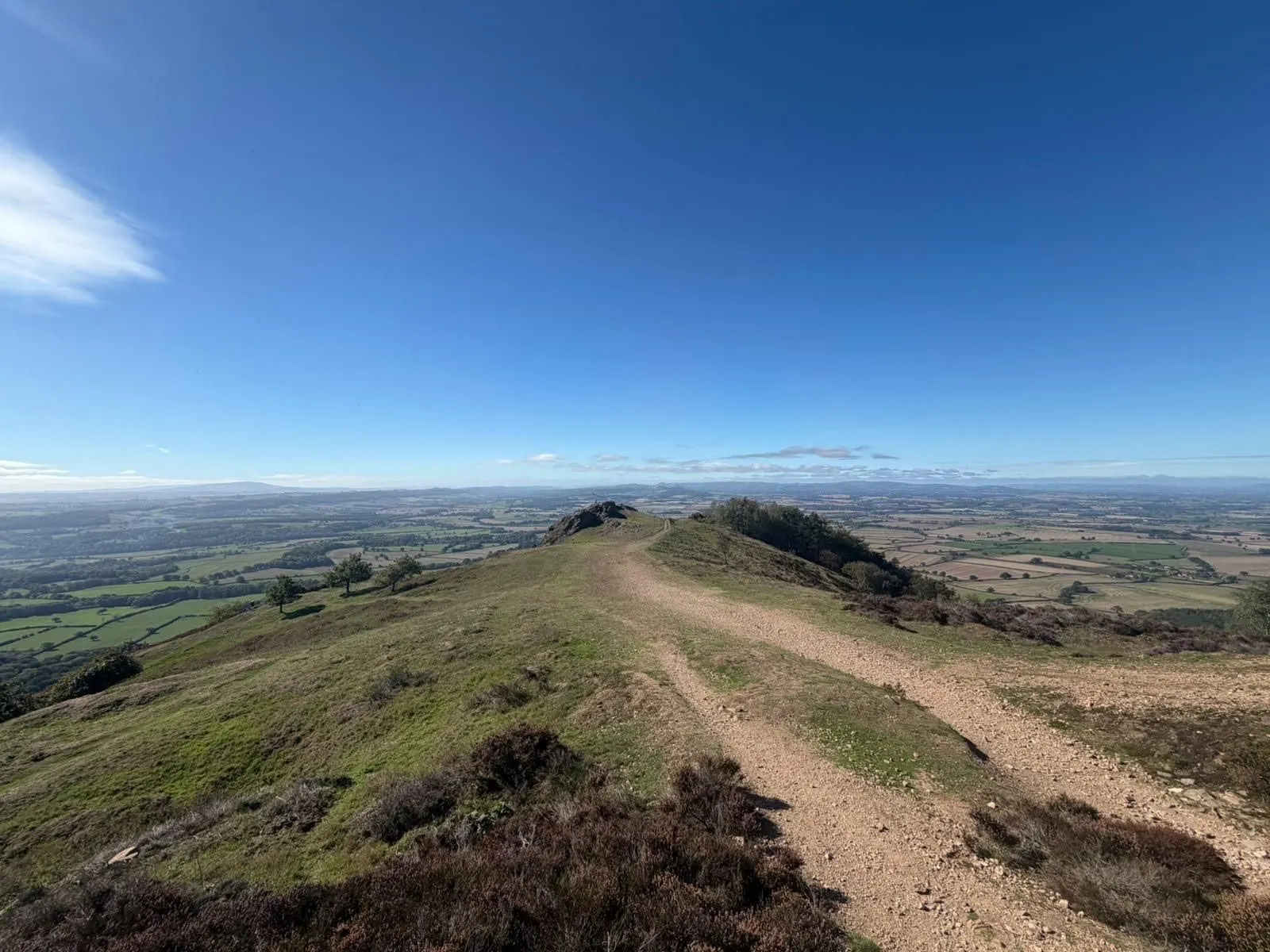
Location photography from the Garvey Visuals portfolio. Every business image set should be planned around its own subject and use.
Replace scattered images with consistency
Ad-hoc images are easy to collect, but harder to manage. They may be taken on different phones, in different light and at different stages of your brand’s development. When they sit together on a page or in a campaign, the changes in colour, framing and quality can make the whole business feel less coherent.
There’s a practical cost, too. Your team may spend time searching through folders, asking colleagues for a usable image or making do with an old photograph that no longer reflects the business. Stock imagery can fill a gap, but it can’t show your actual people, products, premises or process.
A planned shoot helps you create a coherent set and organise it around likely uses. The result is easier to find, easier to apply and more recognisably yours.
Capture details that matter
Some things are difficult to reproduce reliably without control over the shoot.
Lighting makes detail visible. A chosen lighting setup can manage reflections, shadows and contrast so the subject reads clearly. That matters for surfaces, materials, machinery and products where small details carry meaning.
Colour and texture need care. If a product’s colour or finish is important, the image needs to represent it as accurately as possible. A controlled setup and considered editing give you more consistency than changing light conditions or automatic camera adjustments can provide.
A set needs a shared visual approach. Similar framing, light and colour treatment help images sit together across a website, product range or campaign. The style can still feel natural; consistency doesn’t mean every photograph has to look identical.
The composition should suit its destination. A wide website banner, a vertical social post and a tender document have different needs. Planning for layouts before the shoot helps you capture useful options, such as horizontal and vertical frames or space for text, rather than trying to force one crop to do every job.
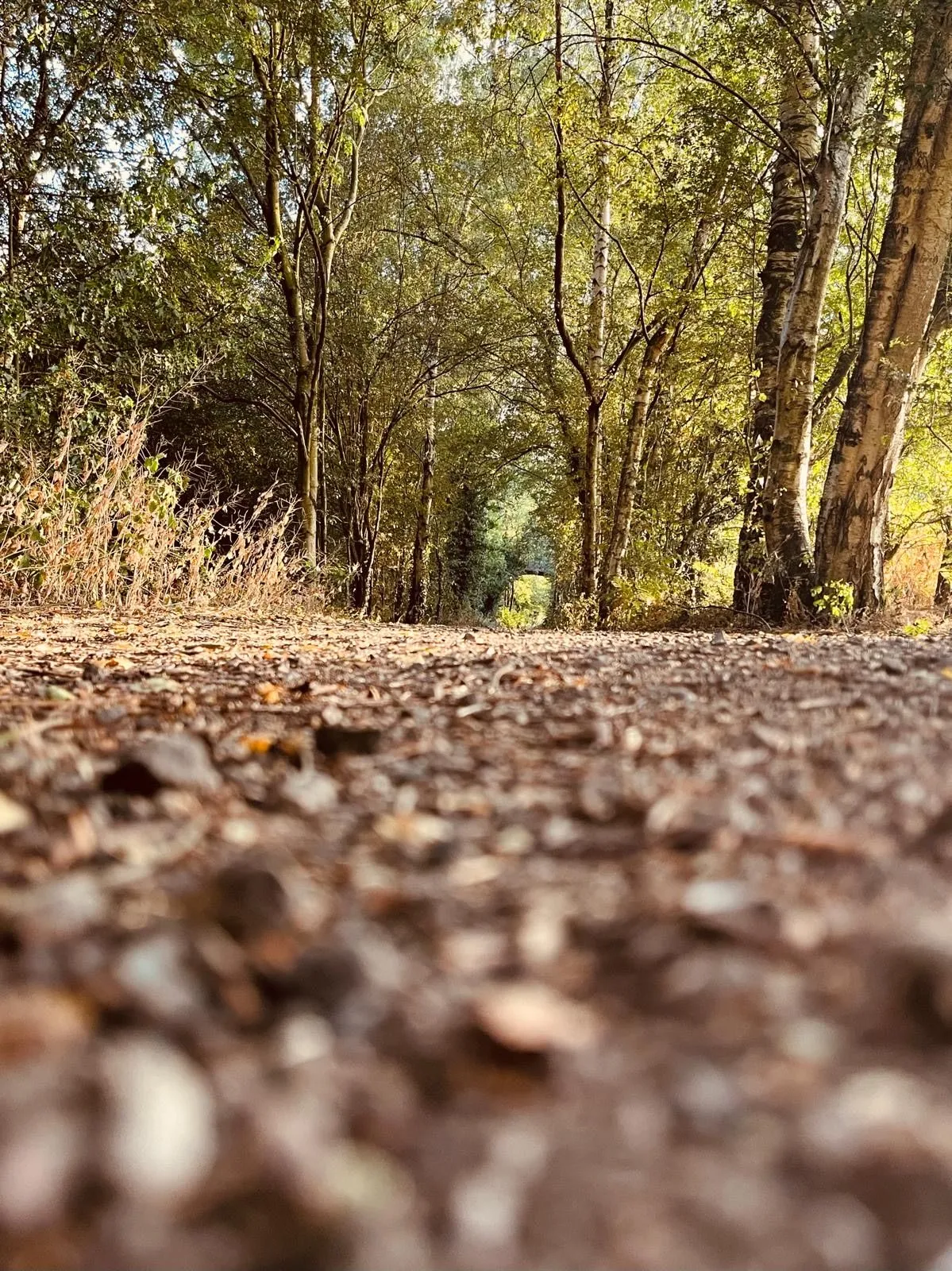
An image’s framing and available space affect how easily it can work in different formats.
Put your images to work across the business
A useful image library supports more than your website. It can help your team communicate with customers, colleagues and partners in a range of settings:
- Website: show your products, people, work and facilities.
- Proposals and tenders: make your experience and approach more tangible.
- LinkedIn and social: keep regular posts connected to the real business.
- Recruitment: give candidates a clearer view of your team and workplace.
- Print and PR: supply suitable images for brochures, announcements and media requests.
- Awards submissions: support written entries with relevant visual evidence.
- Sales conversations: help colleagues explain a product, service or process during a meeting.
Not every image needs to serve every channel. The value comes from having the right choices ready, with enough variety to fit the message and format.
Decide what to commission
Start with the pages, channels and customer questions the images need to serve. This keeps the brief focused and helps you make sensible decisions about what to photograph.
Review your current website and marketing materials. Note where images are missing, where old photographs no longer represent the business and where the same image is being stretched across too many uses. Then consider the questions a customer might have: What does the product look like up close? Who will they work with? What does the process involve? What facilities or experience do you have?
Use those answers to prioritise the shoot. You might begin with a core set for an upcoming website update, then include additional images for social, recruitment or sales use while the people, products and location are ready.
Before booking, it’s also useful to agree on deliverables, intended uses, formats and any necessary permissions. If you have specific page layouts or campaign designs, share them with your photographer. That context helps shape the framing and gives the finished images a clearer role.
Prepare well, without over-staging
A good shoot benefits from preparation, but your business doesn’t need to look like a set. The aim is to show your work clearly and credibly, not to create a version of the business that customers won’t recognise.
Before the day:
- Choose products, spaces and activities that represent the work you want to show.
- Make sure products are clean, complete and ready to photograph.
- Tidy distracting clutter while leaving the working environment believable.
- Tell the team what to expect and what clothing will suit the setting.
- Confirm access, timings and any safety requirements.
- Share important details about your products, process and brand.
A little direction can help people feel more comfortable in front of the camera. It can also make the images more useful: show the work in progress, capture real interactions and leave room for people to carry out tasks naturally.
Know when DIY is enough
A professional shoot isn’t the answer to every content need. Phone photography can be useful for timely social updates, informal behind-the-scenes moments and simple day-to-day communication. It keeps your content current and helps customers see what’s happening now.
Bring in a photographer when the images have a broader job to do: representing a product range, introducing your team, supporting a website refresh or creating a consistent campaign library. The decision is not phone versus professional photography. It’s choosing the right approach for the importance, lifespan and intended use of each image.
Our guide to taking better photos with the phone you already own covers practical ways to improve everyday images. For more considered commercial work, explore our photography portfolio and commercial photography services.
Create images with a clear purpose
At Garvey Visuals, we plan commercial photography around your business, audience and intended uses. From products and people to premises and campaign imagery, we work with you to shape a shoot and deliver edited stills for the channels that matter to you.
If you’re considering a shoot, you’re welcome to start a conversation. We’ll discuss what you need the images to do and what a practical next step could look like.
© 2026 Garvey Visuals Ltd. All rights reserved. Garvey Visuals Ltd retains the copyright in the work it creates; client assets are supplied under a perpetual, worldwide, royalty-free, non-exclusive licence, which takes effect on full cleared payment. Where the work is published we ask that it is credited to Garvey Visuals where reasonably practicable.